
Lettermullen Island Travel Guide for Exploring Galway’s Atlantic Edge
Lettermullen sits on the western edge of Connemara, reached by a narrow causeway that leaves the mainland behind. As you approach the island, the road tightens. Housing thins out, and the Atlantic starts showing through gaps in low stone walls. Lettermullen lies within the Gaeltacht, and Irish is the language you’ll hear first in everyday conversations between residents.
Located in Lettermullen Galway, the island is compact and settled. There’s no focal attraction and no attempt to reorganise daily life around visitors. Lettermullen Ireland is a working place shaped by school runs, local services, and the weather rather than sightseeing plans.
Discover a realistic itinerary for exploring Lettermullen Island without rushing
Most people explore Lettermullen Island over one or two days, often while staying elsewhere in Connemara. The built-up area along the main road is a practical starting point. This is where services are located and where most daily activity happens. From there, the island opens out into low fields, bogland, and exposed coastline, with the Atlantic rarely far away.
Some visitors plan time around seaweed bathing during their stay. The Seaweed Centre sits within the built-up area near the local school and church, making it easy to reach without leaving the island. It’s used by residents as well as visitors, and advance booking is common.
Just off the island, beside Tigh Lee, Oileanra Seaweed Baths and Sauna offers another option. Its location suits a half-day plan, especially if you’re travelling in or out of Lettermullen rather than treating it as a destination in its own right.
Beyond that, exploring works best through short walks connected by driving. Coastal stretches suit slow wandering, while longer distances are easier by car. Once you leave the main area, signage is limited, so most people stop where access allows rather than following a fixed route.
Lettermullen also works well alongside nearby areas such as Carraroe or Spiddal if you’re building a wider south Connemara itinerary.
Exploring Trá Dhireáin Huston, the main Lettermullen Beach with public access
There is only one main Lettermullen Beach with clear public access, and that’s Trá Dhireáin Huston. Other sandy stretches exist around the island, but most are on private land or lack direct access.
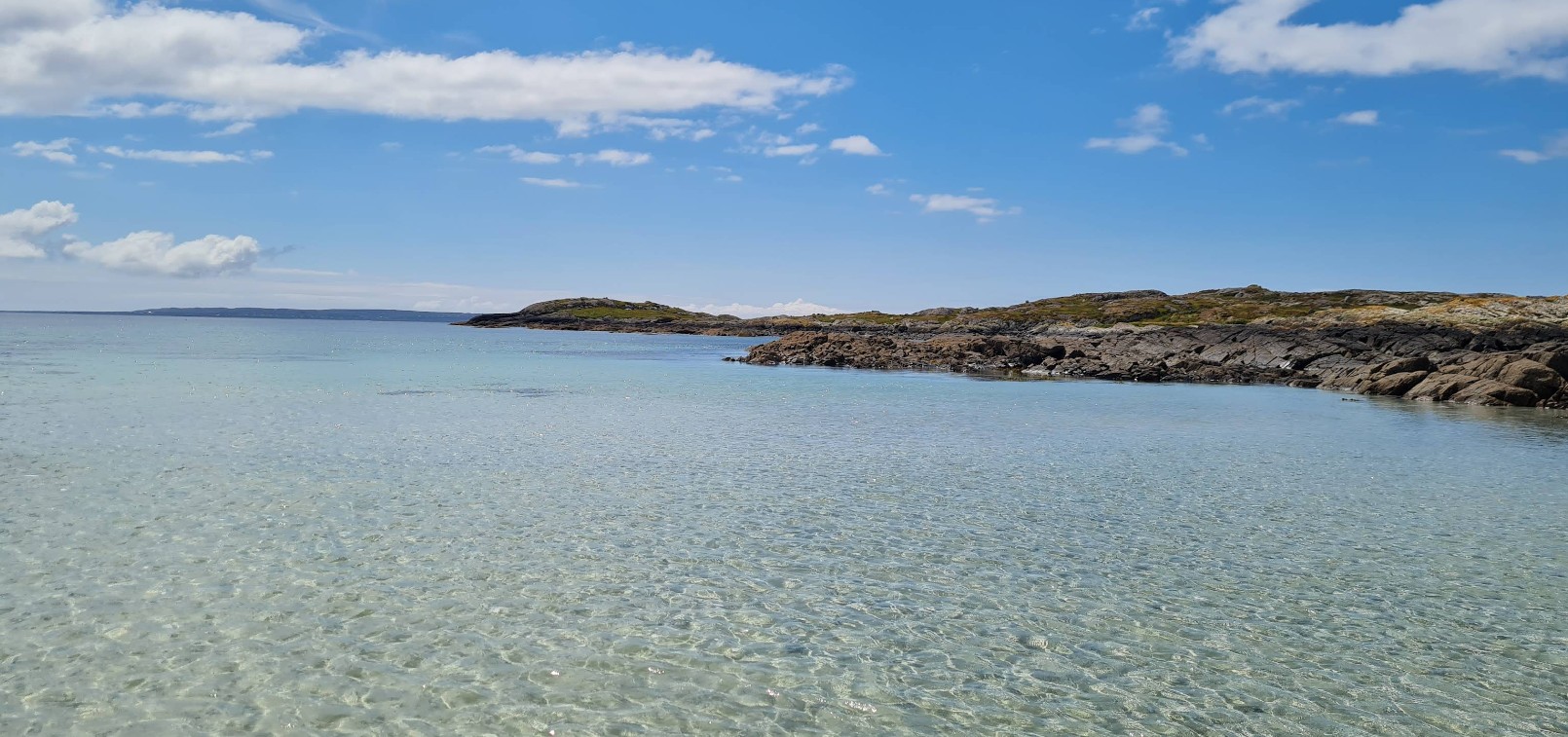
Trá Dhireáin Huston is a tidal beach on the Atlantic side of the island. At low tide, the sand opens out, while higher tides limit usable space. Swimming is popular in settled weather, though the water stays cold and there are no lifeguards, so conditions need to be judged carefully.
On clear days, the beach looks out towards the Aran Islands and the Burren in Clare. Facilities are basic but useful, with a small picnic table and a bin on site. Parking can be limited in good weather, and many visitors leave cars near the church before walking to the beach.
If you want more beach options during the same trip, mainland locations such as Dog’s Bay near Roundstone or beaches around Spiddal are easier to access.
Food and everyday eating options on Lettermullen Island and nearby
You can eat on Lettermullen, but choice is limited, so planning helps. The closest pub serving food is Tigh Lee, located just off the island. It’s the most practical option if you don’t want a long drive in the evening, and it’s used by locals as well as visitors.
The next nearest option is An Chlúid in Tiernee, about an eight-minute drive away. It provides another reliable place for a sit-down meal without committing to a longer journey towards Galway or Clifden.
Most people staying on the island rely on self-catering for part of their trip. That suits the area, particularly outside peak season when opening hours can change.
Visiting Golam Head Signal Station on the western edge of Lettermullen
The signal station on Golam Head sits on a low hill at the south-west end of the headland, around 29 metres above sea level. Although it’s visible from parts of Lettermullen, access is limited. The headland can only be reached on foot for a short window either side of low tide, and the approach involves crossing shallow water and heavy seaweed.
The station formed part of a wider coastal signalling network used to monitor Atlantic shipping along the west coast. From this position, signals could be passed between neighbouring stations, including Inishmore to the south, which is still visible on clear days. Its placement reflects the importance of line-of-sight rather than ease of access.
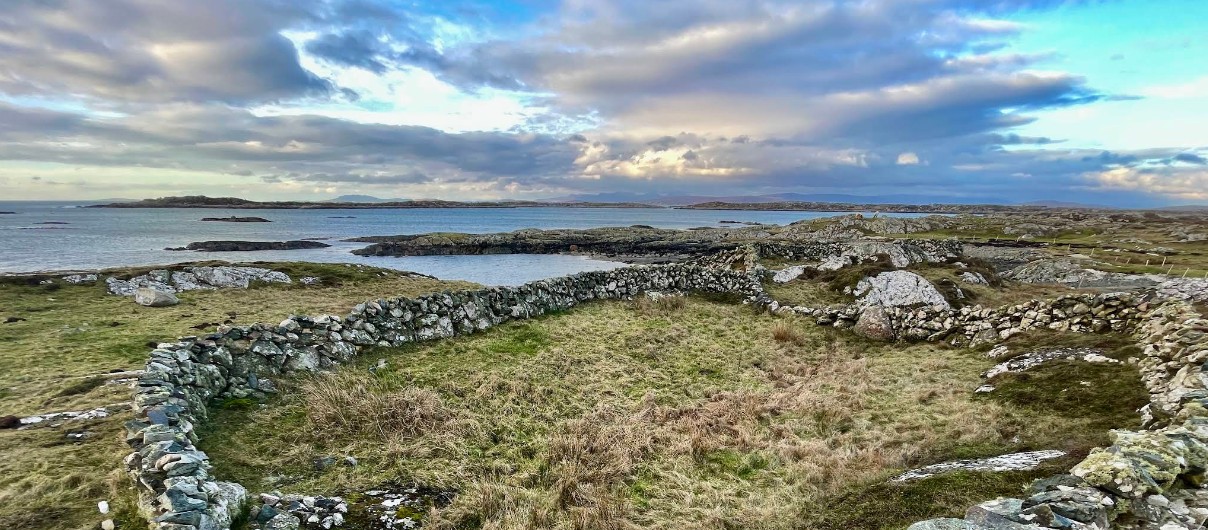
Today, the main surviving feature is the stone signal tower, which remains largely intact to full wall height. A short section of field wall connects to its northern corner, dating from later land use on the headland.
Because of tidal access and ground conditions, this isn’t a site most visitors will reach. For many, it’s best understood as a historic marker in the landscape rather than a practical walking destination, with its story visible even from a distance.
Find the perfect base to visit Lettermullen with Connemara Holiday Lettings
Lettermullen is easy to reach by car from Galway, travelling west through Spiddal and Carraroe before crossing the causeway onto the island. Public transport is limited, so having your own transport makes getting around much simpler.
Weather affects most plans here. Wind is common, conditions change quickly, and good footwear is worth bringing at any time of year..
Staying nearby gives you flexibility, especially if you’re exploring south Connemara or adjusting plans around weather. Connemara Holiday Lettings offers cottages and coastal homes across the region, providing a practical base for visiting Lettermullen and nearby areas like Carraroe, Roundstone, and Spiddal without rushing.
Browse Connemara Holiday Lettings’ collection to find accommodation that suits your plans.